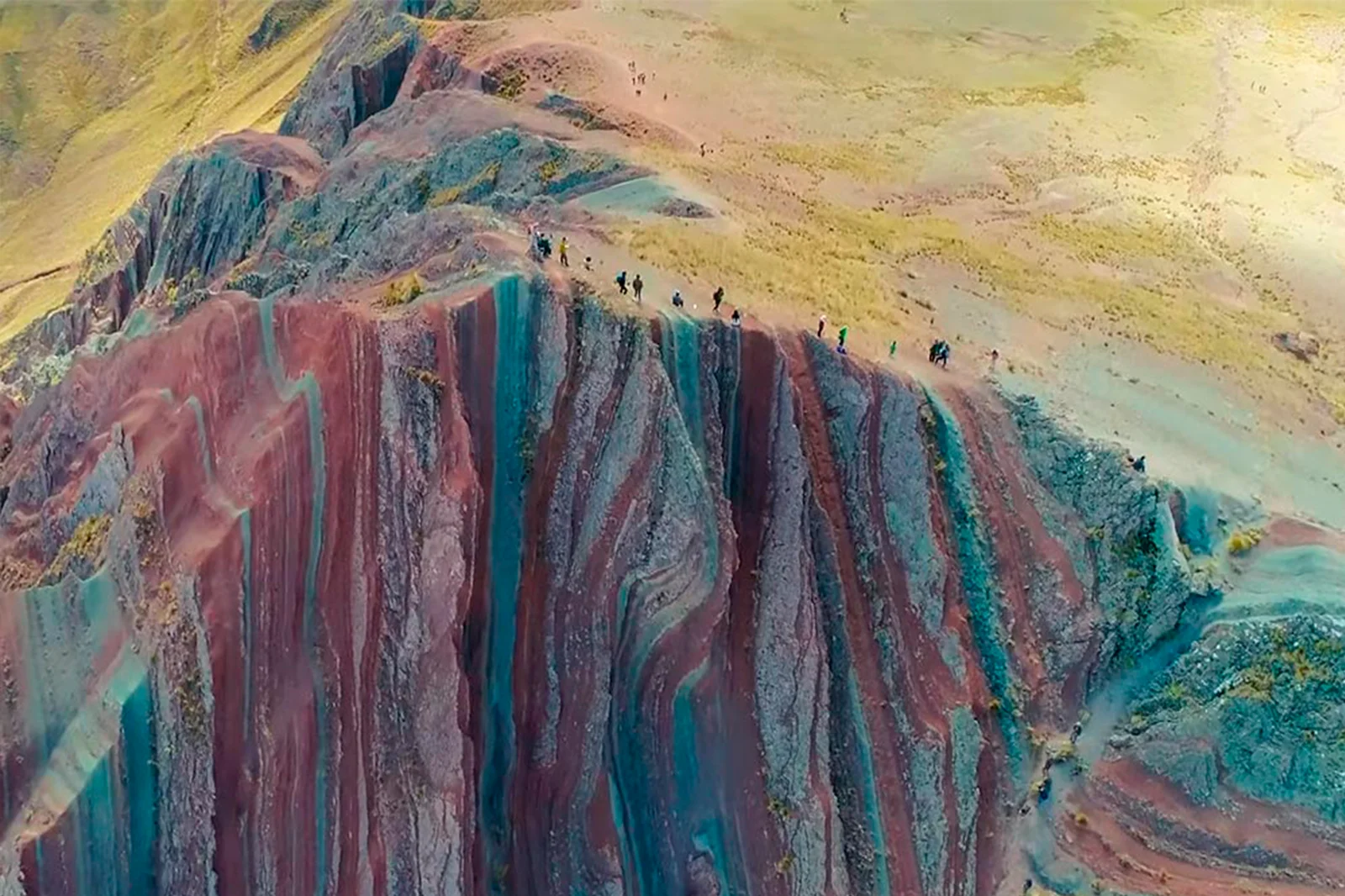
The Subterranean Thermal Laboratory of the Incas. Moray’s hypnotic amphitheaters of concentric circular stone terraces resemble a giant green crater. While commonly admired as an aesthetic masterpiece, Moray was a high-tech agricultural research station where the Incas simulated 20 different ecological zones (microclimates) in a single depression.
Historical Significance & Archaeological Clues
The deepest depression plunges 150 meters into the limestone plateau. Between the top rim and the lowest circular floor, temperature measurements reveal a sustained difference of up to 15°C (27°F), replicating climatic conditions ranging from high puna grasslands to warm subtropical river valleys.
Key Facts & Vital Specifications
| Aspect / Feature | Details & Altitude | Estimated Price (USD) | Availability / Permits | Local Insider Tip |
|---|---|---|---|---|
| Depth of Basin | 150 meters / 492 feet | Included in Boleto Turístico (BTC) | Daily 7:00 AM – 5:00 PM | Morning visits have softer light and far fewer tour buses. |
| Temperature Range | Up to 15°C variation across tiers | BTC Partial: 70 PEN ($19 USD) | Valid on 10-day general ticket | Combine with the nearby Maras Salt Mines in a single morning. |
| Hydraulic Design | Subterranean drainage porous rock | Part of Sacred Valley tours | High availability year-round | Walking onto the lowest terraces is restricted to protect soils. |
Lesser-Known Secrets & What Most Travelers Miss
While standard travel guidebooks focus on superficial highlights, seasoned Andean trekkers and resident specialists know that the true magic lies in the details:
-
Heavy rains never flood the lowest terrace due to underground natural limestone drainage. -
Inca agronomists imported fertile topsoil from different climatic regions of the empire. -
Genetic analysis suggests dozens of modern potato and corn varieties were hybridized here. -
The acoustic properties allow a whisper at the center to be heard on the top terrace.
Practical Tips & Recommended Gear
Do not just take a photo from the main viewpoint. Walk along the perimeter trail to observe the stone steps protruding from terrace walls (called ‘flying stairs’) that allowed farmers to climb between levels.
Essential Traveler Advice
Always carry small-denomination Peruvian Soles notes (10, 20 and 50 bills). Remote community checkpoints, pack-mule handlers, and artisanal weavers cannot make change for large 100 Soles bills or accept foreign credit cards.
Pricing, Permits & Availability (2026/2027)
Included in the Cusco Tourist Ticket (Boleto Turístico del Cusco – BTC). A 1-day partial ticket costs 70 PEN ($19 USD) while the 10-day general ticket covering 16 sites costs 130 PEN ($35 USD).